

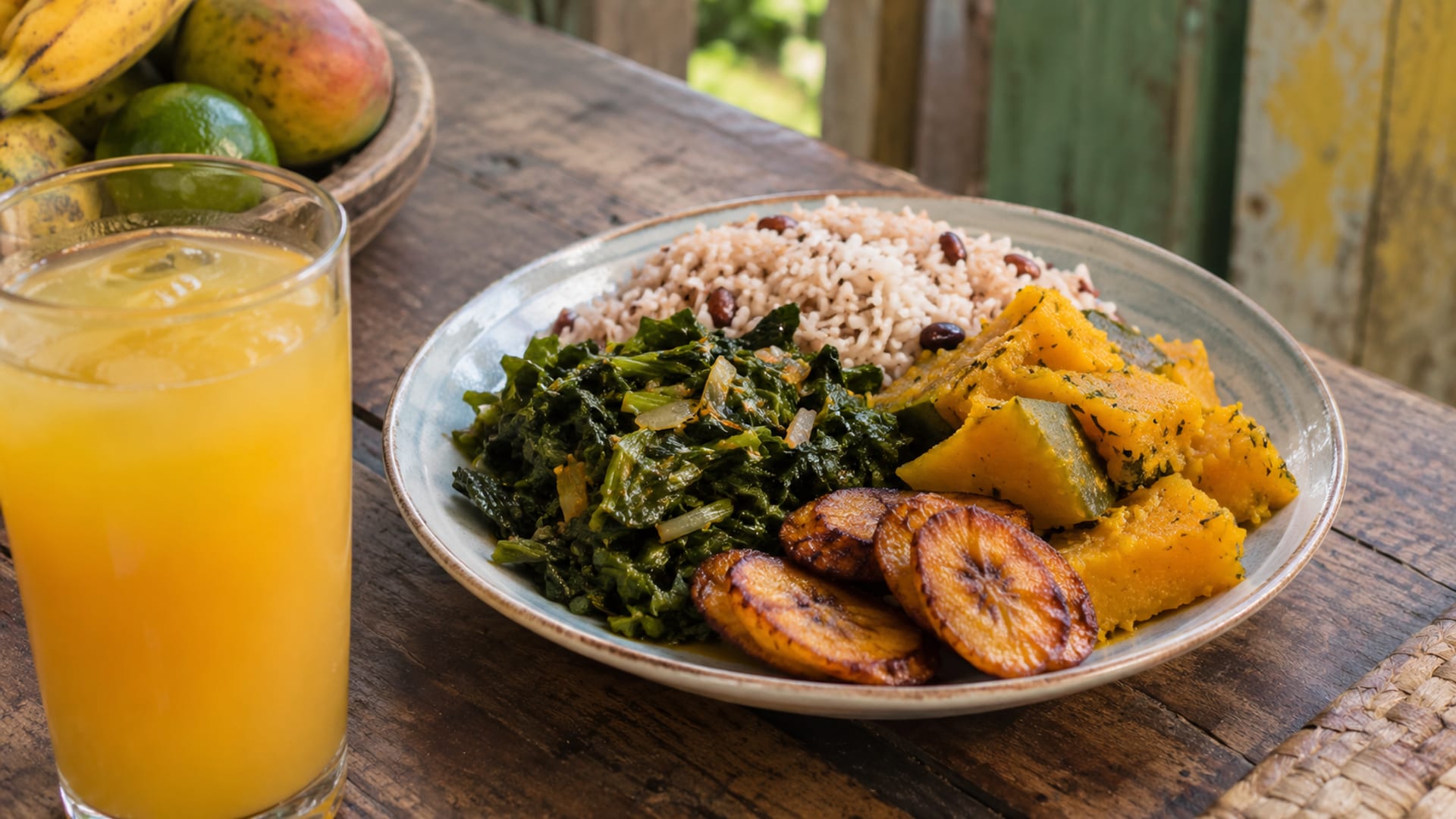
Ital food is a Rastafari way of eating built on natural, minimally processed food. It is generally plant-based, and many Rastafari avoid meat, fish, dairy, eggs, alcohol, artificial additives, refined foods and salt. If you want somewhere to start in Jamaica, two Kingston-area places serve Ital food: Veggie Meals on Wheels at Regal Plaza in Cross Roads, and Majestic Spice Vegan Food in New Kingston.
What "Ital" means
Ital, also written I-tal, is widely understood as a form of "vital" with the initial "v" removed. The "I" also reflects Rastafari language about unity between the individual, Jah and nature. Food sits at the centre of this. In Rastafari teaching, food is tied to livity, the life force and the discipline of living naturally.
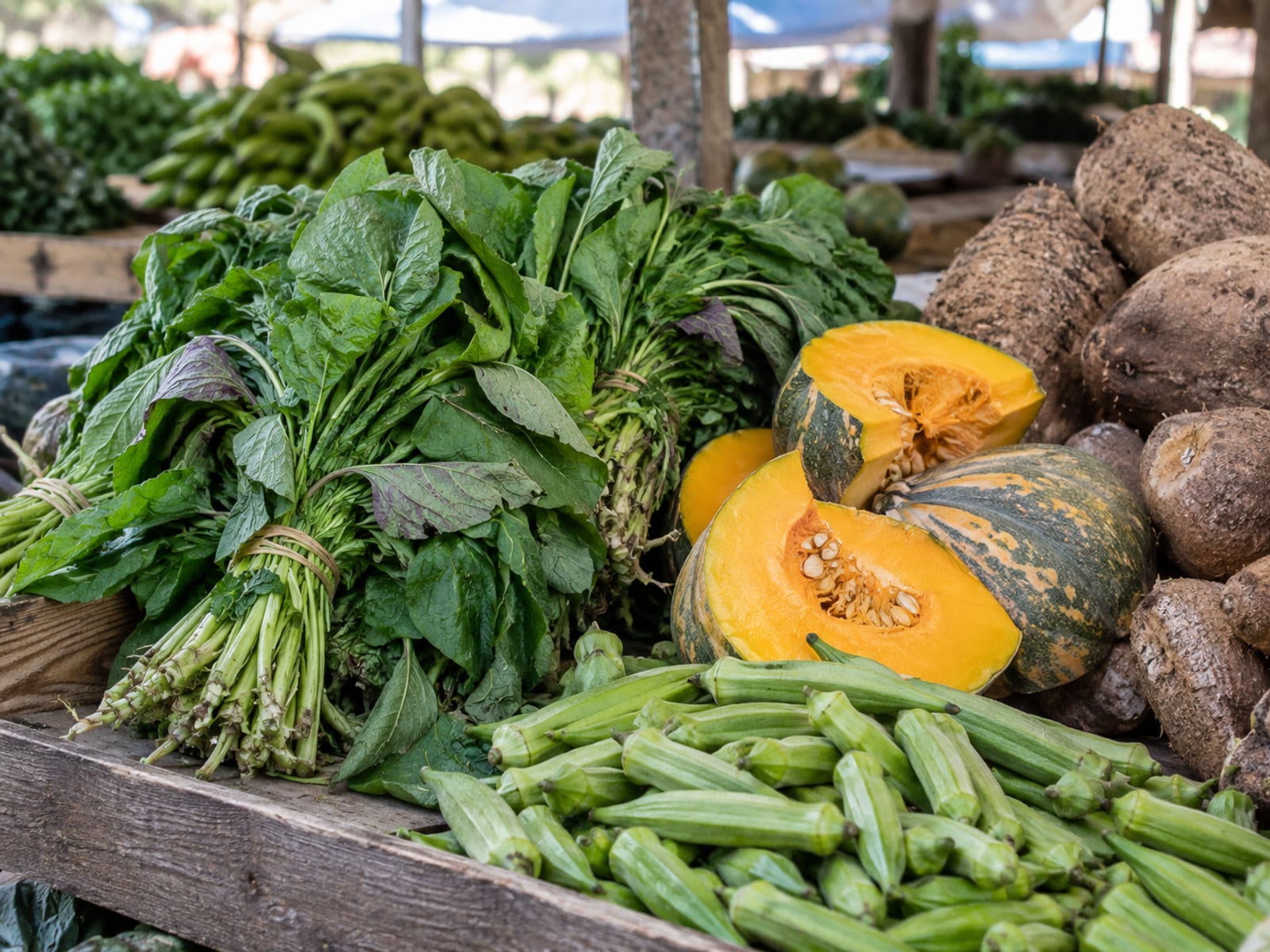 Ital cooking starts with fresh, minimally processed food from the land.
That means the real question behind an Ital meal is not "is this healthy?" It is closer to "does this food preserve life, and does it keep my body and spirit clean?" Ital food is chosen to reduce dependence on industrial and processed products. A 2016 National Geographic feature framed eating pure food from the earth as a sacred duty for Rastas, and that idea runs through most explanations of the practice.
Practice is not the same everywhere. Many Rastafari avoid meat, fish, dairy, eggs, alcohol, artificial additives, refined foods and salt, but individuals and Rastafari houses set their own lines. So, Ital is both a way of eating and part of a wider spiritual and cultural life. Two people who both say they eat Ital may not follow identical rules, and that is worth remembering when you ask about a dish.
What goes on an Ital plate
Ital cooking leans on what grows well on the island. Common foods include vegetable and bean stews, pumpkin stew, lentils, peas, callaloo, ackee, cabbage, okra, ground provisions, tofu, coconut-based dishes, roast or baked breadfruit, natural juices and fresh fruit. Typical preparations include stews, curries, soups, roasted or boiled provisions, vegetable plates and fruit drinks. For the wider list of Jamaican dishes beyond this practice, see Jamaican Food to Try: 25 Dishes and Where to Find Them.
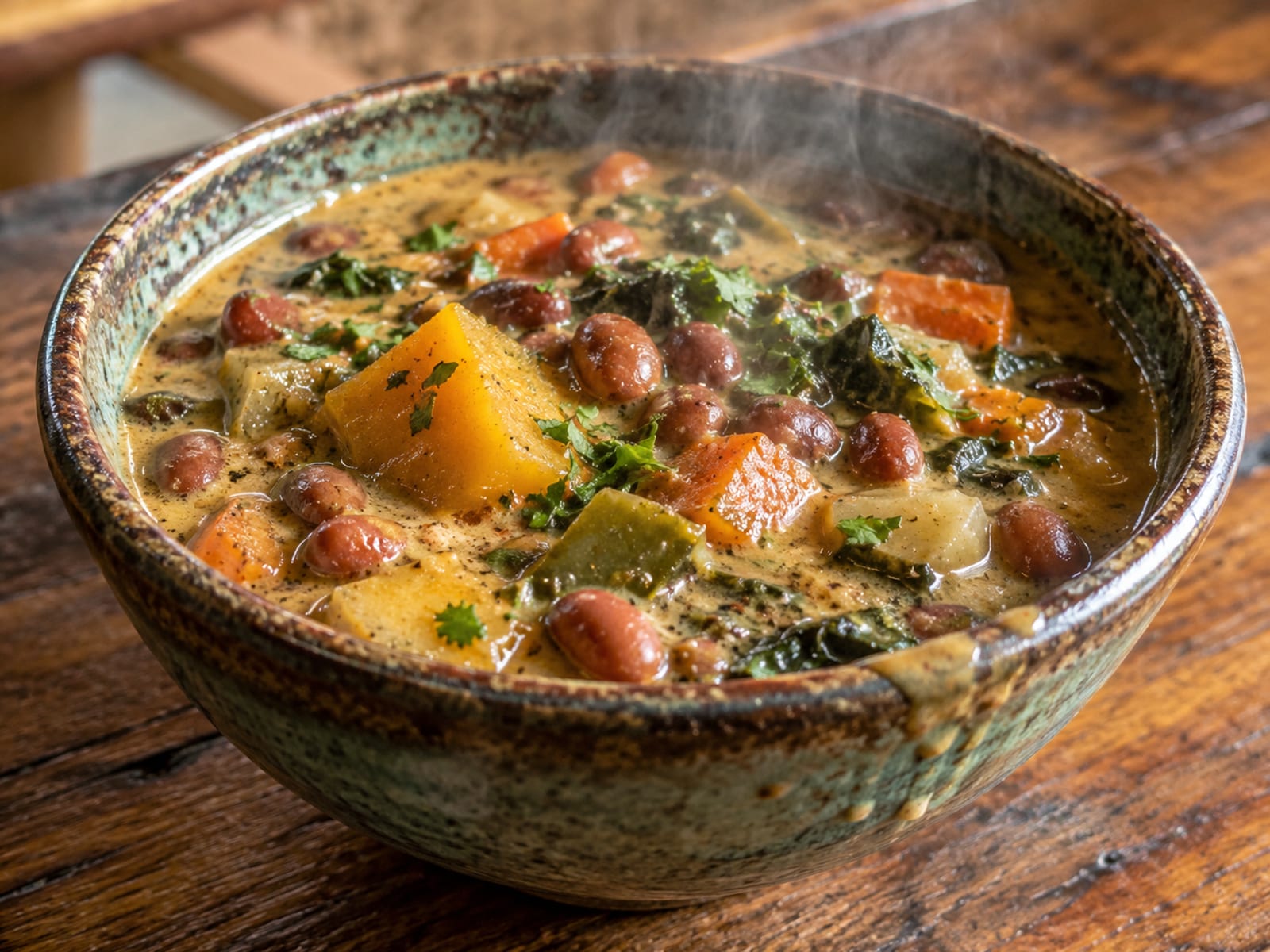 Ital stew usually combines vegetables, peas or beans, coconut milk, herbs and spices.
Callaloo is a leafy green that is often cooked with onion, scallion, thyme, pepper and coconut. Roast breadfruit is a starchy fruit that works as a substantial side or as a main food. Ital juices may include coconut water, fruit, ginger, sorrel, herbs or other fresh ingredients.
Ital stew is the dish you will meet most often in this kind of cooking. It usually combines vegetables, peas or beans, coconut milk, herbs and spices. A fish-free "run down" follows the same idea: where a traditional dish would use fish, coconut milk and vegetables take its place. If you see a run down on a menu, ask whether the version you are getting is fish-free before you assume.
Ital is not the same as vegan
Vegan describes the absence of animal-derived ingredients. Ital usually includes that plant-based approach, but it adds cultural and spiritual rules about naturalness, processing, additives, salt, preparation and the link between food and livity. A dish can therefore be vegan and still fall short of Ital.
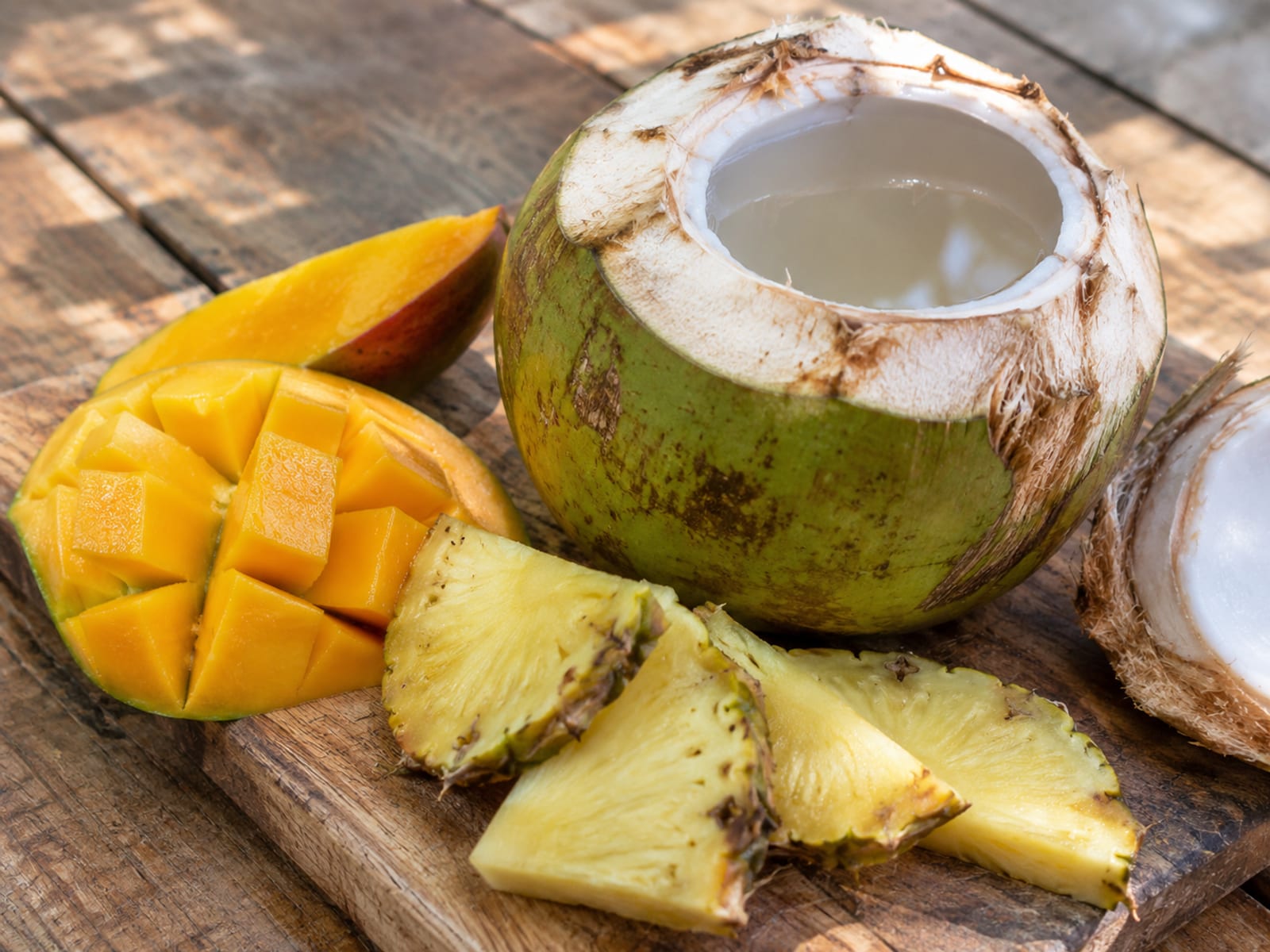 Ask about ingredients rather than trusting a single word on the menu.
A vegan dish can be highly processed, or it can contain meat substitutes, refined ingredients and additives. A strict Ital dish would usually avoid those. The reverse can also happen. Some practitioners follow a looser version of Ital that includes fish, dairy or other foods, so an Ital label alone does not tell you everything about the plate.
If you eat vegan, ask about the ingredients rather than trusting the word. If you follow strict Ital principles, ask about salt, processing and additives as well. Both questions take less than a minute at the counter, and the answers tell you what is actually in the pot.
Where to eat Ital food in Jamaica
The clearest Ital options on this list are in Kingston and St Andrew. Each one offers something different, so read the details for each before you plan a trip around it.
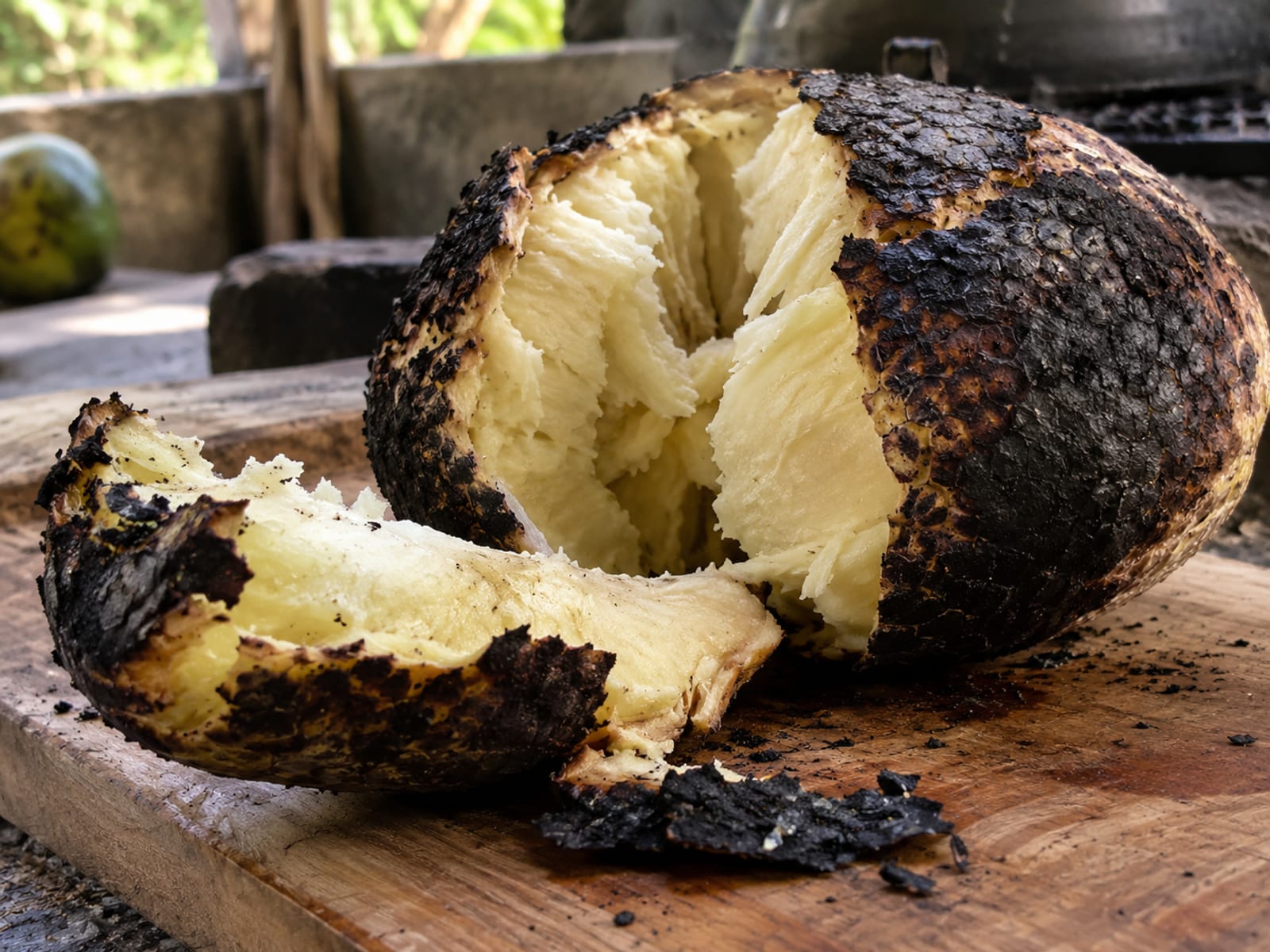 Roast breadfruit works as a substantial side or as a main food.
Veggie Meals on Wheels in Cross Roads, Kingston
Veggie Meals on Wheels describes itself as an Ital and green-lifestyle food business serving vegan food. Its business page gives a location at Regal Plaza in Cross Roads, Kingston. A 2021 documentary by Jamaica With Irie profiled the business if you want more background before you visit, and more Kingston listings are in the Kingston restaurant directory.
A third-party listing last updated in December 2023 gave daily hours of 9 a.m. to 9 p.m. Those hours are nearly three years old, so confirm before you go. When you call, ask for the current price list.
Majestic Spice Vegan Food in New Kingston, St Andrew
The Jamaica Observer reported on an Ital lunch at Majestic Spice Vegan Food in an April 2025 article. The plate it described included ackee and cabbage, steamed callaloo, Ital stew with red peas, quinoa, veggie bulgar and vegan fritters. That mix shows how a St Andrew kitchen can keep Jamaican staples like callaloo and red peas on the menu while adding grains you might not expect in a traditional Jamaican meal.
This spot is in New Kingston, part of the St Andrew restaurant directory listings. Before you head over, ask what a lunch plate costs and what hours the restaurant keeps.
Ital stew on a Jamaican menu, with a price
Sonia's Homestyle published its Sunday lunch menu online in 2026, and it lists Ital stew at J$1,450 (about US$9). The menu describes the dish as a vegan Rastafari stew. Ask what portion that price covers, since portion sizes vary from kitchen to kitchen.
Prices change, so treat that figure as a starting point rather than a promise. Money here is quoted in Jamaican dollars first, with the US dollar amount at about JMD 159 to US$1, the Bank of Jamaica rate on 13 October 2026.
Carts, pop-ups and small cookshops
Ital food is also sold from carts, pop-ups, event stalls and small cookshops. These can be harder to pin down than a restaurant with a fixed address. A vendor may only work certain days, move between spots, or stop trading altogether.
Carts, pop-ups and event vendors are the places where details shift most, so ask before you go. Find out whether the vendor is still trading, which days and times, and where exactly they set up. Ital cookshops and carts have also been reported in St Ann, Trelawny, Clarendon and St Elizabeth. Those reports are several years old, so treat them as leads and ask locally before you plan around one.
Questions to ask before you order
Every Ital eater has a different set of limits, so a short list of questions saves a lot of guessing. These are the ones that matter most:
Many Ital eaters avoid salt, so ask directly whether it is added to the pot. Some natural juices use honey or molasses for sweetness, which matters if you avoid honey. Coconut milk is common in Ital cooking, and it is a useful substitute when you are avoiding dairy, although coconut is not a dairy product.
If you are visiting from outside Kingston, plan the trip around a phone call. A quick message before you leave tells you whether the kitchen is open, what is cooking that day and whether the vendor still takes the payment method you have.
Common questions
These are the questions readers most often bring to Ital food, answered briefly.
What does Ital mean in Jamaican?
In Jamaican Rastafari usage, Ital means natural food that is connected to livity, the life force. The word is commonly explained as "vital" without the initial "v." Ital food is generally fresh, plant-based or mostly plant-based, minimally processed and prepared without artificial additives. It describes a set of food principles rather than one fixed recipe, so the way those principles are applied varies from practitioner to practitioner.
Is Ital food vegan?
Often, but not automatically. Strict Ital cooking is generally vegan, using vegetables, fruit, peas, beans, grains, coconut, herbs and spices. Some practitioners follow looser versions that include fish, dairy or other foods. If you are vegan, ask whether the dish contains dairy, eggs, fish, honey, meat stock or butter.
What can Rastas not eat, and can they eat eggs?
There is no single rule that every Rastafari follows. Common restrictions include pork, shellfish, meat, highly processed food, artificial additives, alcohol and, for many practitioners, salt. Strict practitioners also avoid fish, dairy and eggs. A strict vegan or plant-based Ital practice excludes eggs, while other practitioners follow a less restrictive pattern. The safe approach is to ask the person or the cook, rather than assuming that every Rastafari person eats the same way.
What kind of food do Rastafarians eat?
Ital food commonly includes locally grown vegetables, fruit, ground provisions, beans, peas, callaloo, pumpkin, cabbage, okra, ackee, breadfruit, coconut, tofu, lentils, grains, herbs and spices. Coconut milk often takes the place of dairy, while herbs, peppers, scallion, thyme and allspice add flavour. The typical dishes are stews, curries, soups, roasted or boiled provisions, vegetable plates, natural juices and fruit drinks.
What is Ital stew?
Ital stew is a plant-based Jamaican stew made from a changing mix of vegetables, peas or beans, ground provisions, herbs, spices and often coconut milk. Pumpkin, potato, sweet potato, carrots, callaloo, cabbage, okra, kidney beans, butter beans, chickpeas and lentils all turn up in different versions. Some are thick and curry-like, while others are brothier. Strict versions skip salt, dairy, meat stock and processed ingredients. It usually comes with rice, rice and peas, boiled provisions, plantain or breadfruit.
To find Ital and vegan places by parish, use the Weh Fi Nyam restaurant directory. If you want the closest match to the options above, start with Kingston or St Andrew. For more meat-free places across the island, see Vegan and Vegetarian Restaurants in Jamaica.