


You can buy Middle Quarters pepper shrimp from roadside vendors in the Middle Quarters settlement, on the A2 south coast road in St. Elizabeth Parish, between Black River and Lacovia. The shrimp come cooked and heavily seasoned with Scotch bonnet pepper and salt, sold in clear plastic bags and eaten as a snack. Vendors sell during the day, so plan your stop for daylight. Carry Jamaican dollars in cash, and get the vendor's price and bag size before you pay.
What Middle Quarters pepper shrimp is
Middle Quarters pepper shrimp is a spicy roadside snack tied to the Black River area of St. Elizabeth, and it has been sold from the roadside for years. Local sellers traditionally cook freshwater river shrimp, which is also called "swims." Seawater shrimp and red-claw crayfish, an invasive species, can also turn up in the trade, so the same stall may not always sell the same kind of crustacean.
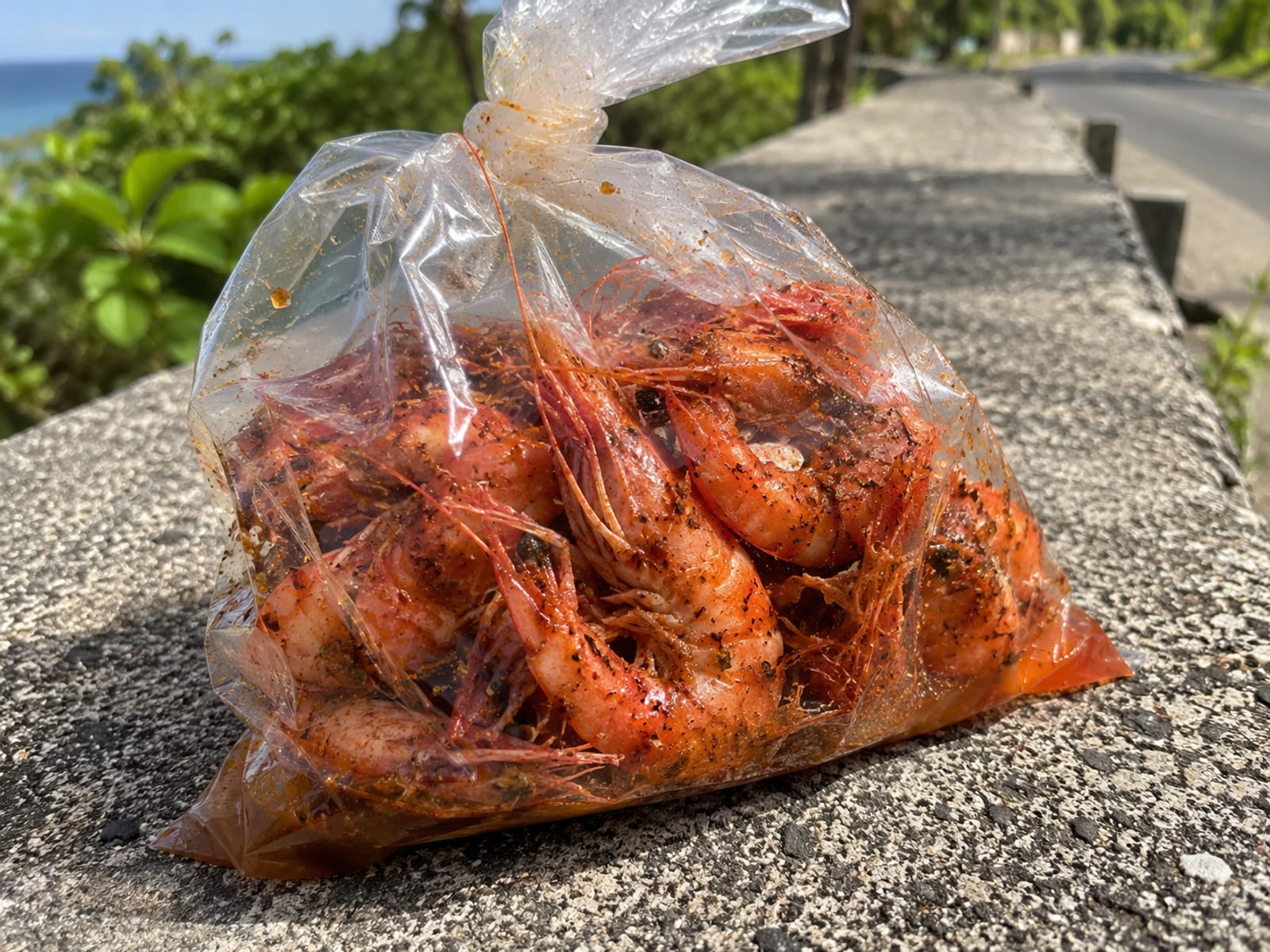 The shrimp come out bright red and are sold in clear plastic bags.
The cooking is hot and direct. The shrimp go into pots over fires or other heat and come out bright red, seasoned with Scotch bonnet pepper and salt. The Jamaica Gleaner described vendors cooking them in blackened Dutch pots over wood fires in 2006.
The shrimp are sold in clear plastic bags to people passing in cars. It is a snack or a quick roadside bite rather than a plated meal, and you can eat it warm or at room temperature. You do not need a table or a menu to enjoy it, which suits a stop between towns on a long drive.
Where to stop on the A2 and who sells there
Middle Quarters sits on the A2 south coast road, in the settlement between Black River and Lacovia. The community lies on the edge of the Black River Morass, a large wetland, and the main pepper shrimp stop is around the settlement itself. Holland Bamboo, also called Bamboo Avenue, sits nearby on the same road, so you can plan the two stops together.
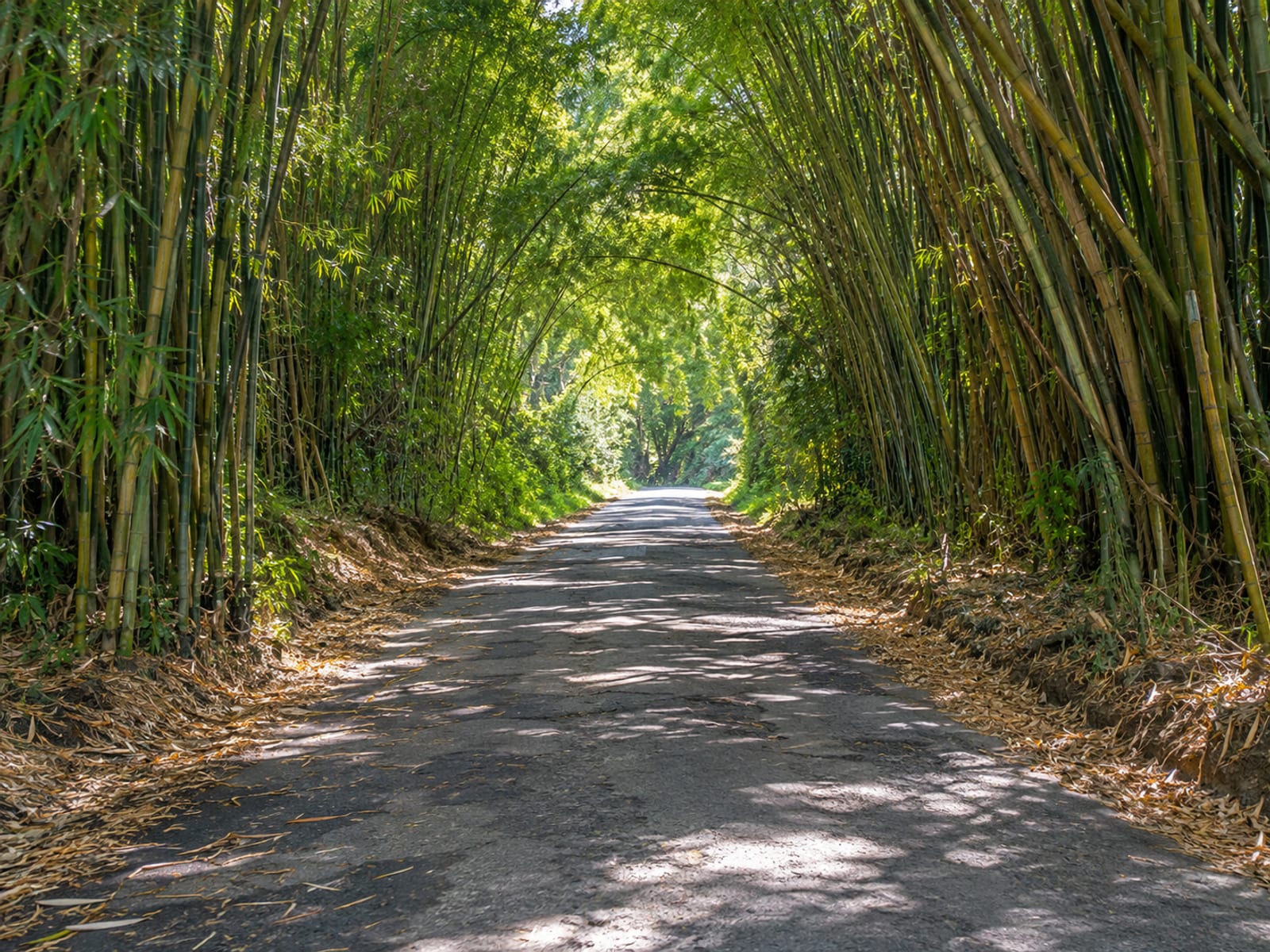 Holland Bamboo sits on the same road, a short way from the shrimp stop.
The trade has carried on beside the main road. In November 2025 the Jamaica Observer reported that Carolyn Lewis Morris was still selling shrimp there after Hurricane Melissa. Stop only where you can pull fully off the A2, and do not stand close to passing traffic. Keep an eye on the cars when you step out of your vehicle.
The shrimp: river, sea or red-claw?
A bag may hold native river shrimp, seawater shrimp or red-claw crayfish, and each one is a different animal. Ask whether the bag holds native river shrimp, seawater shrimp or red-claw crayfish before you pay. In 2025 the Jamaica Observer reported that some sellers can tell the softer native shrimp apart from the hard-shell Australian red-claw crayfish. It helps to know which one you are eating.
Why the native shrimp is under pressure
The native river shrimp behind the traditional dish is under pressure. In March 2025 the Jamaica Observer reported that vendors and scientists linked falling catches to the spread of Australian red-claw crayfish, drought, climate change and overfishing. The red-claw can survive low water and low oxygen, conditions that harm native shrimp.
Supply also changes with the season. In drought years, cooks have used seawater shrimp at times, so a bag sold as pepper shrimp may not always hold the same crustacean. That is one reason to check what is in the bag rather than assuming. For a buyer, the practical result is a mix of native shrimp, seawater shrimp and red-claw crayfish in the same trade, and the contents of the bag are a fair thing to question.
Protected river, responsible buying
NEPA, the national environment agency, identifies the red-claw as an invasive species in the Black River Lower Morass and as a threat to the pepper-shrimp industry and to native species. The Black River area has protected status and is managed within Jamaica's environmental framework.
Do not collect shrimp or crayfish from the river yourself, and do not disturb river habitats while you are there. Buy from established sellers, and check what kind of shrimp or crayfish is in the bag before you eat it. Leave the river as it is.
How hot it runs
The dish depends on getting the right amount of Scotch bonnet pepper and salt. Heat changes with the seller and the batch. A recipe the Jamaica Observer published in August 2026 gives extra-spicy, medium and mild versions, depending on whether the Scotch bonnet seeds and membranes stay in the pot.
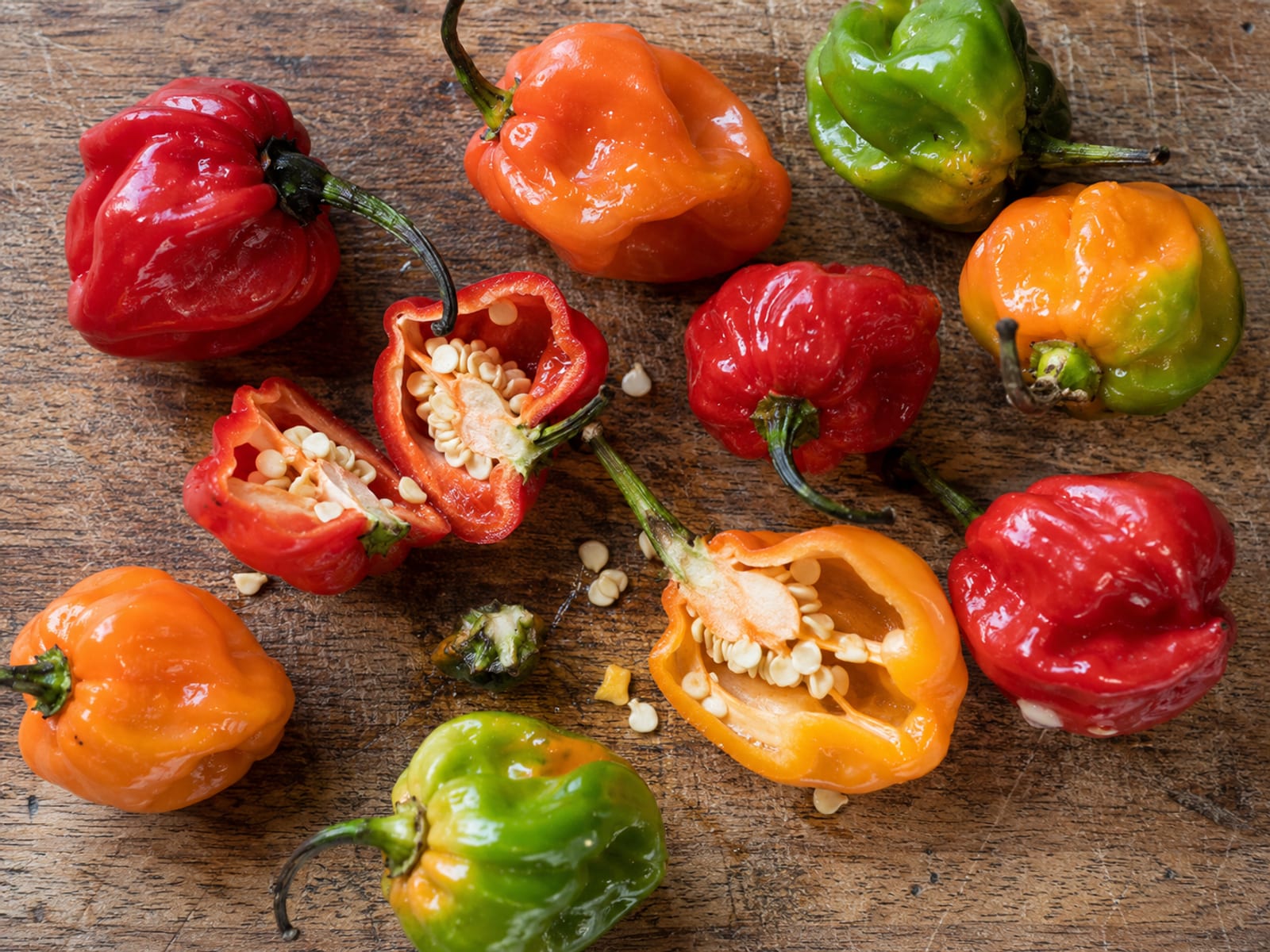 Scotch bonnet pepper sets the heat of every bag.
That means one bag can taste noticeably different from the next. Check the spice level with the seller before you buy. If you are new to Scotch bonnet, buy a small bag first, and if the seller offers a milder option, take it.
Does the stop fit your day?
A stop only makes sense if it fits four things: the route you are driving, how much heat you can take, what you want to spend and how much time you have that day. If it fits, the buying itself is simple. Pull fully off the A2, look at the bags and the shrimp type, check the spice level, and settle the price for the bag size you want before you hand over cash.
What to check at the stall
A few things make the stop easier, and most of them come down to what you can see and say at the roadside.
For a first visit, a small bag lets you judge the heat before you buy more. Look at the shrimp before you pay, and check which kind it is, because the softer native shrimp and the hard-shell crayfish are not the same animal.
What to eat with it
You can eat pepper shrimp on its own, straight from the bag. Published Jamaican serving suggestions pair it with crackers, festival or hard-dough bread. Around the Middle Quarters stop, nearby vendors may also sell coconut, bammy, fresh fruit, cooked food or janga soup, so you can build a fuller roadside meal if you want one.
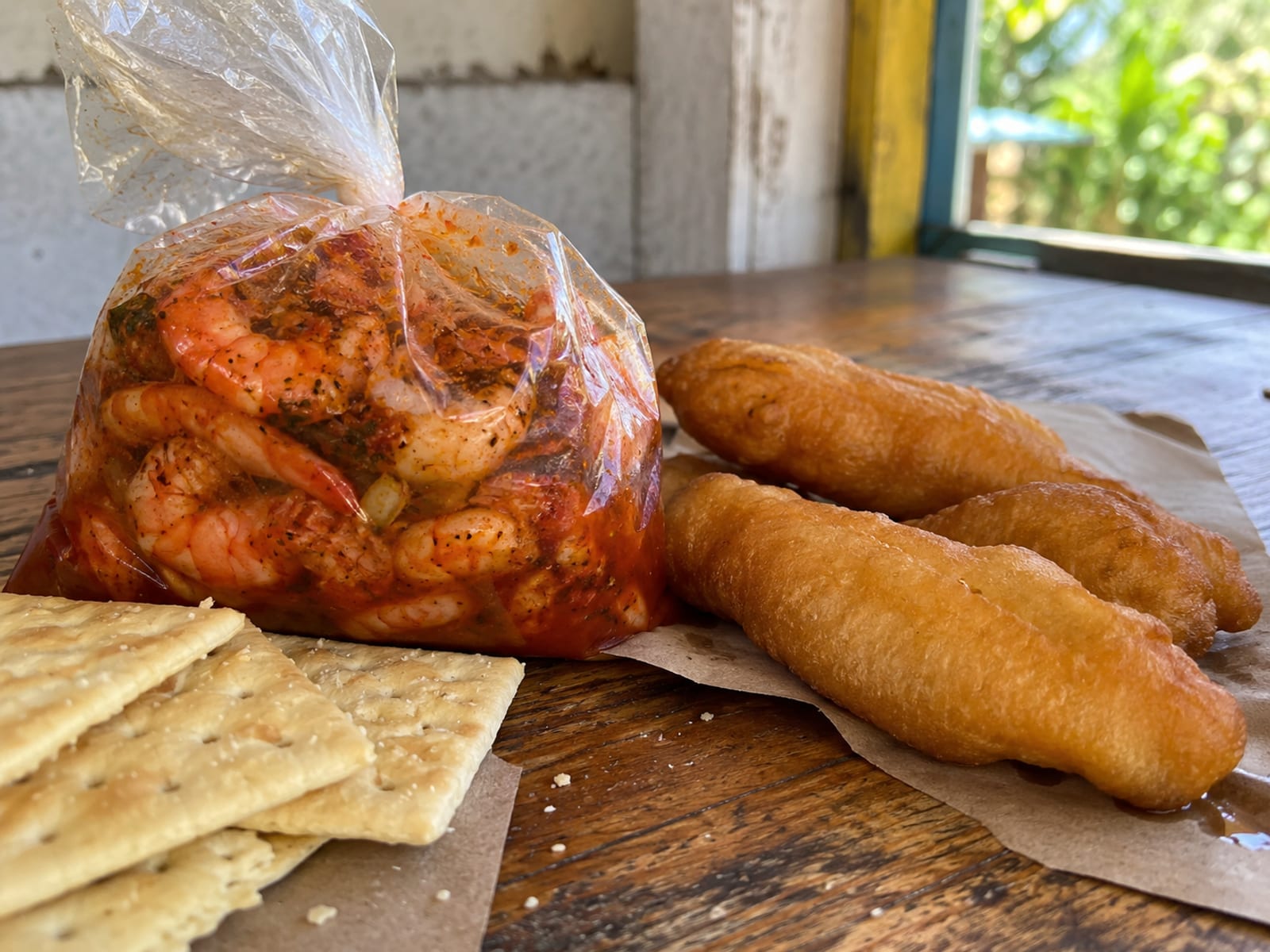 Crackers and festival are common partners for the shrimp.
For more snacks of this kind, read Jamaican Street Food: What to Try and Where to Find It.
What a bag costs
The price depends on the bag size, the day's supply, the shrimp type and the seller. Because the price moves with the bag, compare the size as well as the number on the price. Get the vendor's price and bag size before you hand over cash, and carry Jamaican dollars in small notes.
When to go
Vendors sell during the day, so aim for a daylight stop. Same-day supply can vary with the season and with drought, so a stop that worked one week may not work the next. If you are building a full day on the south coast, put the shrimp stop early, so that a stall with no shrimp still leaves time for another plan. Confirm before you go that the vendor has shrimp that day, since same-day supply can change.
Find more places to eat on the south coast
Middle Quarters is a roadside stop, and the south coast has plenty more to eat. St. Elizabeth is a wide parish, so look at what is near your route before you leave. For a sit-down meal, read Where to Eat in Treasure Beach, Jamaica (and the Pelican Bar). For seafood just over the parish line in Manchester, read about Little Ochie, Alligator Pond: Jamaica's South Coast Seafood Stop.
To find places to eat by parish, browse the restaurants in St. Elizabeth or use the full restaurant directory.
Common questions
A driver or a visitor planning this stop usually asks the same five things.
Is pepper shrimp Jamaican?
Yes. Peppered shrimp is documented as a Jamaican street food, and it is strongly associated with Middle Quarters. The Jamaica Tourist Board describes Middle Quarters as known for bags of spicy pepper shrimp.
How spicy is Jamaican pepper shrimp?
It can be very spicy, because Scotch bonnet pepper is central to the dish. Heat changes with the seller and the batch, so a bag can be milder or hotter than the last one you tried. If the seller offers a milder option, take it when you are new to Scotch bonnet.
What do you eat pepper shrimp with?
It is usually a snack rather than a plated meal, so there is no fixed side dish. You can eat it straight from the bag. Published serving suggestions pair it with crackers, festival or hard-dough bread, and nearby vendors may sell bammy, fruit or janga soup as well.
How much does a bag of pepper shrimp cost?
The price depends on bag size, supply, shrimp type and the seller, so one figure does not fit every stall. Compare the bag size with the price, and carry Jamaican dollars. A vendor may offer more than one bag size, and the larger bag is not always the better buy if you are still learning how hot the batch runs.
Where is Middle Quarters?
Middle Quarters is a settlement in St. Elizabeth Parish in southwestern Jamaica, between New Holland and Luana. The Jamaica Observer linked its shrimp trade to tributaries of the Black River.